Featured
Table of Contents
Study finds mindfulness reflection valuable for not only relieving anxiousness signs and symptoms, yet also for improving our capability to cope with the stress factors that life throws our way. Take a breath deeply in and out while relaxing your mind.
Think about your invasive thoughts as clouds. Recognize them, yet after that allow them drift away. Mindfulness appears very easy, however that sense of simpleness can be deceptive. It takes effort to still an auto racing mind. And it could take you a long time and numerous shots to complete it. To start, set a time to practice mindfulness each day.
Healing Multiple Anxiety and Disordered Eating

They can feel it in their bodies. And it ends up being a felt experience of recognition. In her personal method, Saltzman, and her Still Silent Location CDs for Youthful Kid and Teens, instructs mindfulness to youngsters and teens with a variety of obstacles.
As a teacher at The Nantucket New College where every trainee obtains direction in mindfulness, Allison Johnson has found out firsthand what a distinction it can produce children. She tried it at home. "I have a six-year-old kid with ADHD," she says. "I brought a chime home. We utilize it most nights before bed due to the fact that he doesn't like going to rest.
Developing a Positive Association with Exercise
Twenty years later on the program is still going strong. "Teenagers advantage tremendously," she states. "Youngsters discuss their lives being transformed. I remember one girl with ADHD that had actually been very clinically depressed, and I didn't assume we were reaching her. On the last day of class she came in and claimed, 'whatever is various.
I think we all have the sense that society's a little out of control. What is mindfulness for youngsters? Mindfulness for youngsters is a method that assists them slow things down and observe their thoughts and sensations so they can start to pick their behaviors rather of acting impulsively.
Connecting with the Appropriate Therapy for Perfectionism Therapist for Performers
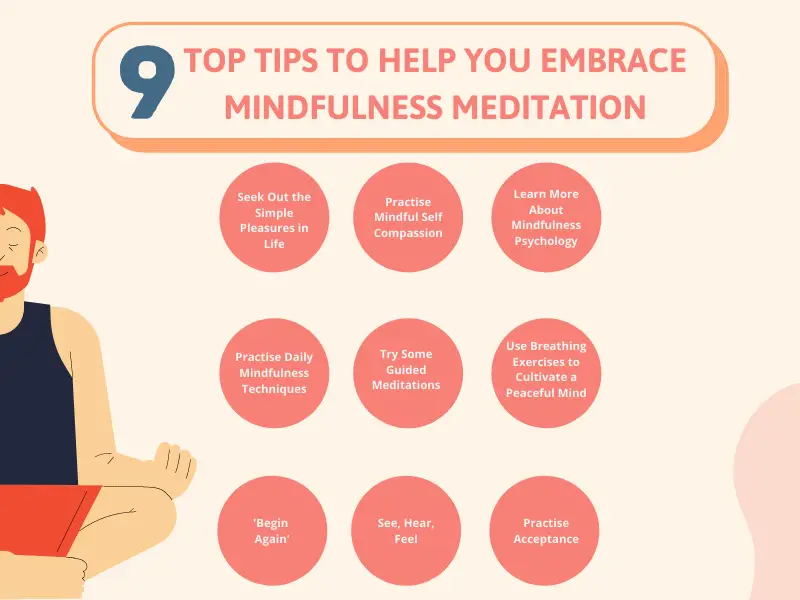
What are the advantages of mindfulness for students? The benefit of mindfulness for youngsters is that it helps them really feel calmer. Then they can learn to notice their feelings, also distressing ones, with some distance. Mindfulness can help them really feel less distressed or quit them from having an outburst if they are distressed or angry.
We stay in a busy world where it can be hard to reduce, pause, and concentrate on one point at a time. All also usually, we fall under the behavior of dividing our attention across multiple demands, which can cause stress and anxiety and stress and anxiety about whether we're performing at our best for ourselves and those we enjoy.

Mindfulness is the practice of being existing in the current moment and accepting it as lacks examining or attempting to transform it. Mindfulness includes observing and defining your ideas, sensations, and physical experiences with visibility, like you're enjoying leaves carefully float down a stream. Among one of the most difficult elements is learning to concentrate on a single thought, feeling, or sensation while approaching it with a sense of nonjudgmental inquisitiveness.
It's not unusual for individuals to confuse mindfulness and meditation, as the terms are often utilized mutually. They vary in method. While mindfulness is being in today moment with visibility and without judgment, reflection is an ability that involves focusing your focus and awareness. The essential distinction is that you can be conscious without participating in meditation, but mindfulness is necessary to practice reflection.
The Process in Specialized Treatment
It's not uncommon for people with anxiousness and clinical depression to ponder, or fixate on unfavorable or unhelpful ideas and feelings, which can make their signs worse. A child might ponder about a bad grade they received on an examination, or an adult might ponder on an argument they had with their companion.
Helps people handle feelings by discovering and calling just how they feel in the here and now moment rather of responding impulsively. Enhances connections with others. One study located that people who took part in mindfulness came close to problem with less rage and stress and anxiety. The charm of mindfulness is that you can exercise it throughout numerous basic daily tasks.

Latest Posts
The Stages of Relationship Recovery in Therapy for Siblings
Recognizing Stages of Partnership Growth in Professional Counseling
Creating a Balanced Connection with Nutrition