Featured
Table of Contents
St John's wort is a natural therapy that some people take for depression. It's offered from health and wellness food stores and drug stores. There's some evidence that it may help much less extreme depression, but it's not suggested by medical professionals. This is due to the fact that the amount of energetic ingredients differs among individual brand names and sets, so you can never ever be certain what type of impact it'll carry you.
You should not take St John's wort if you're expectant or breastfeeding, as we do not understand for sure that it's risk-free. Likewise, St John's wort can interact with the contraceptive tablet, lowering its effectiveness. Mind stimulation is sometimes suggested by an expert to treat serious clinical depression that has actually not reacted to other treatments.
How PTSD Impacts Your Mental Wellness
Depression is characterised by a sense of worry, despair or despair. Anxiousness is a feeling of concern or worry, typically in relationship to normal components of life. Feelings of depression and anxiousness are regular human responses to everyday occasions. You might really feel depressing or dissatisfied (or 'depressed') when something disappoints us or we experience loss.
The 2 are commonly assumed of as unique, but there is a considerable crossover. Below, we'll break down the major distinctions and resemblances in the signs, creates and treatments of anxiety and anxiousness.
Recognizing Attachment Styles Affects Couples Dynamics
A Globe Health Organisation (THAT) Globe Mental Health Survey found that 41% of individuals with a year-long major depressive disorder also had one or even more anxiety disorders over the same 12-month period. Anxiety and anxiety vary when it involves some crucial indications and symptoms: Intense sensations of sadnessGuiltWorthlessness or hopelessnessTearfulnessSuicidal thoughts Feeling of worry, dread or apprehensionFeeling trappedFearful, paranoid and tenseExtreme stressShortness of breath and tightness in your chest It is essential to identify that, with anxiety and anxiety, you may obtain a completely separate collection of signs and symptoms than a person else.
If you experience a traumatic event in your life, or have in the past, this can be a stimulant for anxiety and stress and anxiety. In childhood years, that could be overlook or misuse. As a grown-up, instances include being the victim of a criminal offense, being associated with an auto accident or involvement in very demanding scenarios like battle.
Genes play some function in developing psychological health problems. If a close relative, like parent or brother or sister, has actually battled with clinical depression or anxiousness, it can increase your possibilities of experiencing them also. There are likewise other factors that might raise your level of threat to developing depression and/or anxiety: older individuals battle with depression and anxiety much more.
Investing in Personal Transformation in Singapore
Factors include the hormonal adjustments women experience in life and that they produce even more stress and anxiety hormones than guys. Women are likewise much more most likely to speak concerning and look for therapy for mental wellness troubles.
The similarities in anxiety and stress and anxiety proceed when you take into consideration the appropriate coping methods. If you are experiencing one or both of these conditions, attempt and present a few of these five easy pointers to improve your signs: Be as energetic as you can. Attempt and venture out and exercise as long as possible, even if it is simply for a short walkReview your diet plan and make it as balanced and healthy as you canStay connected socially.
Whatever treatments are proper for you, it's likely to include a mix of therapy and medicine. Numerous kinds of therapies are recognized to be reliable against anxiety and anxiety. Cognitive behavioral treatment (CBT) is taken into consideration the gold-standard healing therapy for many mental health problems. It concentrates on recognizing, testing and reframing purposeless thoughts and behaviours.
Clinical depression is characterised by a sense of sadness, despair or unhappiness. Feelings of anxiety and anxiousness are regular human feedbacks to every day events.
Clinical Techniques for Managing Work Challenges and Burnout in Singapore
If these sensations persist over a duration of time, it might be that you have an affiliated problem recognized as anxiety (or state of mind problem) and stress and anxiety problem. The two are commonly taken distinct, but there is a substantial crossover. Listed below, we'll damage down the primary distinctions and resemblances in the signs, causes and therapies of anxiety and anxiety.
A Globe Health Organisation (WHO) World Mental Health And Wellness Survey discovered that 41% of individuals with a year-long major depressive problem likewise had one or more stress and anxiety problems over the exact same 12-month duration. Depression and stress and anxiety differ when it involves some crucial symptoms and signs: Extreme feelings of sadnessGuiltWorthlessness or hopelessnessTearfulnessSuicidal thoughts Sense of fear, dread or apprehensionFeeling trappedFearful, paranoid and tenseExtreme stressShortness of breath and rigidity in your upper body It is very important to identify that, with depression and stress and anxiety, you might get an absolutely separate collection of signs than somebody else.
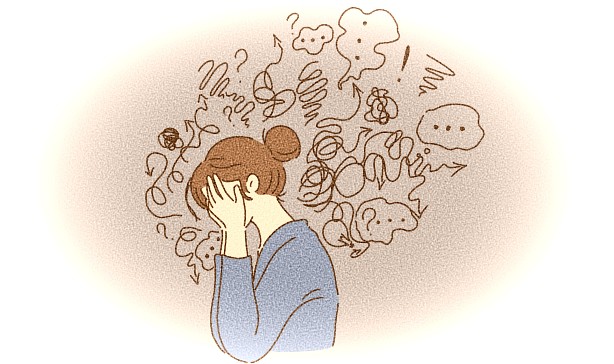
If you experience a distressing event in your life, or have in the past, this can be a catalyst for clinical depression and anxiety. In childhood, that might be overlook or abuse. As a grown-up, instances include being the victim of a criminal offense, being associated with a car crash or participation in extremely demanding scenarios like battle.
Relationship Work When Navigating Major Life Transitions with Work Challenges and Burnout
Genes play some function in establishing mental health and wellness conditions. If a close relative, like moms and dad or sibling, has fought with clinical depression or anxiety, it can raise your opportunities of experiencing them also. There are also various other factors that might increase your degree of risk to developing depression and/or stress and anxiety: older people fight with anxiety and anxiety a lot more.
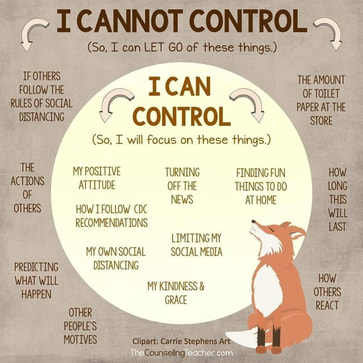
The similarities in depression and anxiety proceed when you take into consideration the pertinent coping strategies. If you are experiencing one or both of these problems, try and introduce a few of these 5 straightforward tips to boost your symptoms: Be as active as you can. Attempt and go out and exercise as much as feasible, even if it is simply for a short walkReview your diet plan and make it as well balanced and healthy and balanced as you canStay connected socially.
Understanding The Brainspotting Approach in Addressing
Whatever therapies are appropriate for you, it's most likely to include a combination of treatment and medicine. Many sorts of treatments are understood to be effective versus depression and stress and anxiety. Cognitive behavioral therapy (CBT) is thought about the gold-standard therapeutic treatment for many mental health and wellness conditions. It concentrates on identifying, challenging and reframing purposeless ideas and behaviours.
We utilize cookies on our website to offer you one of the most appropriate experience by remembering your preferences and repeat visits. By clicking "Accept", you consent to making use of ALL the cookies.
Females are detected with anxiety regularly than males, but men can also be depressed. Due to the fact that males may be less likely to identify, speak about, and seek help for their adverse sensations, they go to better risk of their clinical depression signs and symptoms being undiagnosed and undertreated. In addition, anxiety can co-occur with various other mental illness or chronic diseases, such as diabetic issues, cancer cells, heart problem, and persistent discomfort.

Latest Posts
Virtual Therapy Options Accessibility
Neurodevelopmental Evaluation as Somatic Therapy: Comprehensive Evaluation Process
Body-Based Methods in Addressing Work Challenges and Burnout