Featured
Table of Contents
Throughout this stage, you begin to get used to life without your enjoyed one. Practical matters, such as work, obligations, and future strategies, end up being even more of an emphasis. While sorrow is still present, it no longer controls every aspect of life. Acceptance does not suggest forgetting or moving onit ways discovering a way to deal with the loss.
Instead, it is a fluid experience, marked by waves of feeling that come and go. You refine loss, know that your trip is special, and there is no wrong method to regret.
In, we examine this framework alongside an extra versatile, personalized method, permitting you to discover what really straightens with your experience. The "stages" of despair are just one of individuals transform to when trying to understand loss yet they're typically. Our Phases of Despair overview breaks down where the model, what each, and without recommending grief relocate clean steps.
The Clinical Foundation Validating EMDR Therapy for Healing
You simply experienced a breakup. You lost your work. You're incapable to achieve the goal you have actually been functioning towards. Think it or otherwise, every one of these are some type of sorrow or the experience of managing loss. As we work our method with experiences like these, we're most likely to experience different phases or feelings from denial and anger to despair and resentment.
We'll also check out common misunderstandings regarding grief and pointers for managing loss. Let's dive in. Before we study the 5 phases of pain, it's practical to comprehend what despair is. Basically, sorrow is the experience of dealing with loss. And it's experienced by everyone in a distinctly individual way.
The Interplay Between Attachment Injuries and Excellence-Seeking
Grief can likewise originate from any modifications we experience in life, such as relocating to a new city or college or transitioning into a brand-new age team. The fact is that most of us experience a particular level of pain throughout our lives. While some losses are more extreme than others, they are no less real.
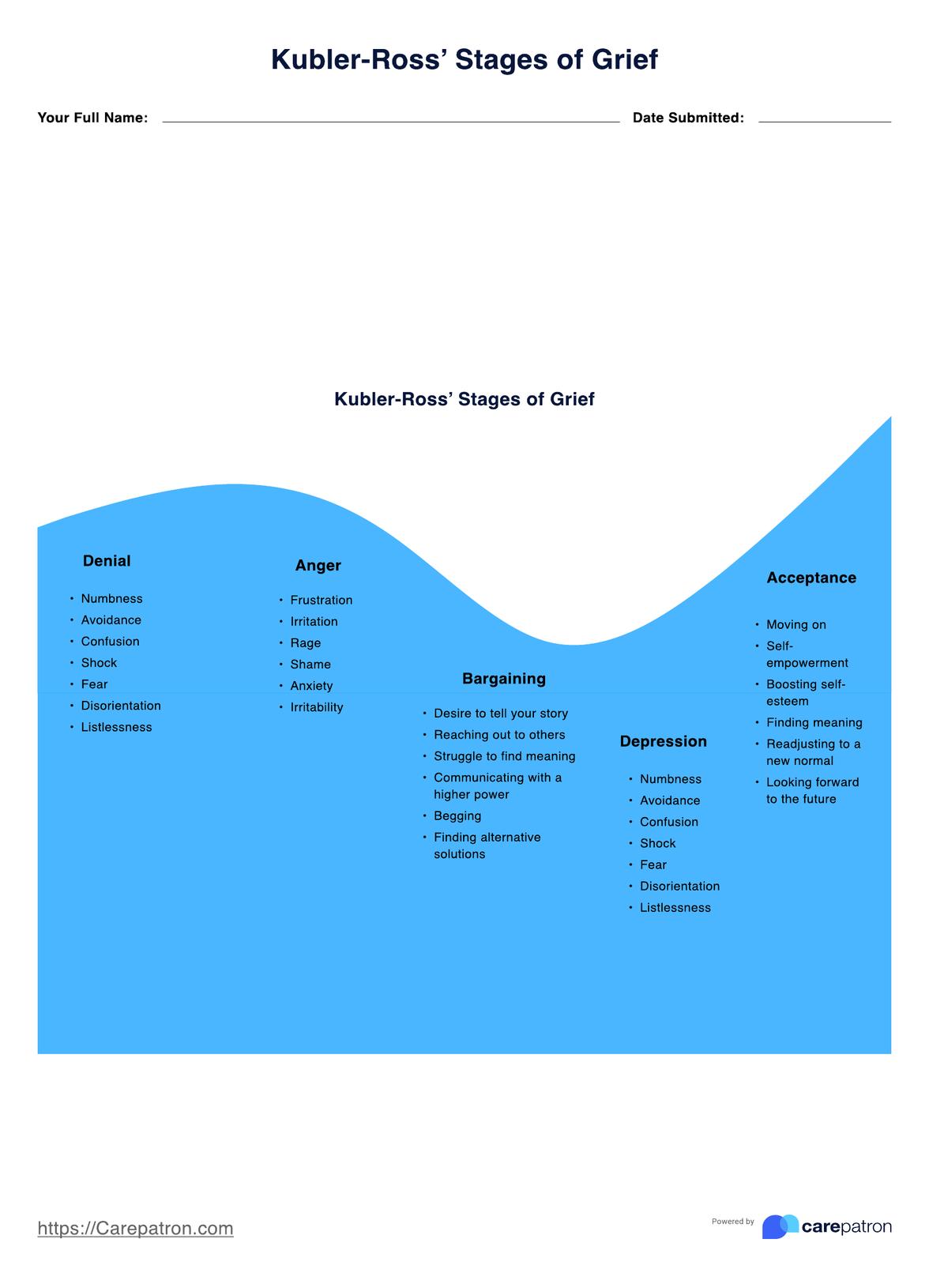
Numerous scientists have dedicated years to researching loss and the feelings that accompany it. One of these professionals was Elisabeth Kubler-Ross, a Swiss-American psychiatrist. She spoke with over 200 individuals with incurable illnesses and recognized five typical stages people experience as they grapple with the realities of their impending death: rejection, temper, bargaining, clinical depression, and approval.
Although Kubler-Ross's work focused on sorrow reactions from people who are passing away, much of these phases can be used to sorrow throughout any type of loss. It's essential to note that these stages are not linear, and they're not a prescription. Not everyone experiences every stage, which's fine. We might seem like we accept the loss sometimes and afterwards relocate to one more stage of grief again.
Just how much time we invest browsing these stages differs from individual to individual. It could take us hours, months, or longer to refine and recover from a loss. Keeping that in mind, let's take a better check out each of the five phases of pain: For many individuals, rejection or acting the loss or modification isn't occurring is commonly the first feedback to loss.
Transitioning from Survival Mode to Sustainable Success
Several individuals will also experience temper as component of their pain. In other words, rage is a method to conceal the several feelings and pain that we're bring as an outcome of the loss or adjustment.
Also though our rational mind understands they're not responsible, our feelings are extreme and can easily bypass reasonable thinking. We additionally might lash out at inanimate objects, strangers, friends, or household members. We might really feel upset at life itself. While we commonly believe that anger is an unfavorable feeling and something to be avoided in all costs, it actually serves a purpose and is a required component of healing.
Bargaining is a phase of despair that aids us keep hope throughout intense psychological discomfort. It's an attempt to help us regain control of a situation that has made us really feel incredibly susceptible and defenseless. It's likewise another means to help us postpone needing to deal straight with the unhappiness, complication, or pain.
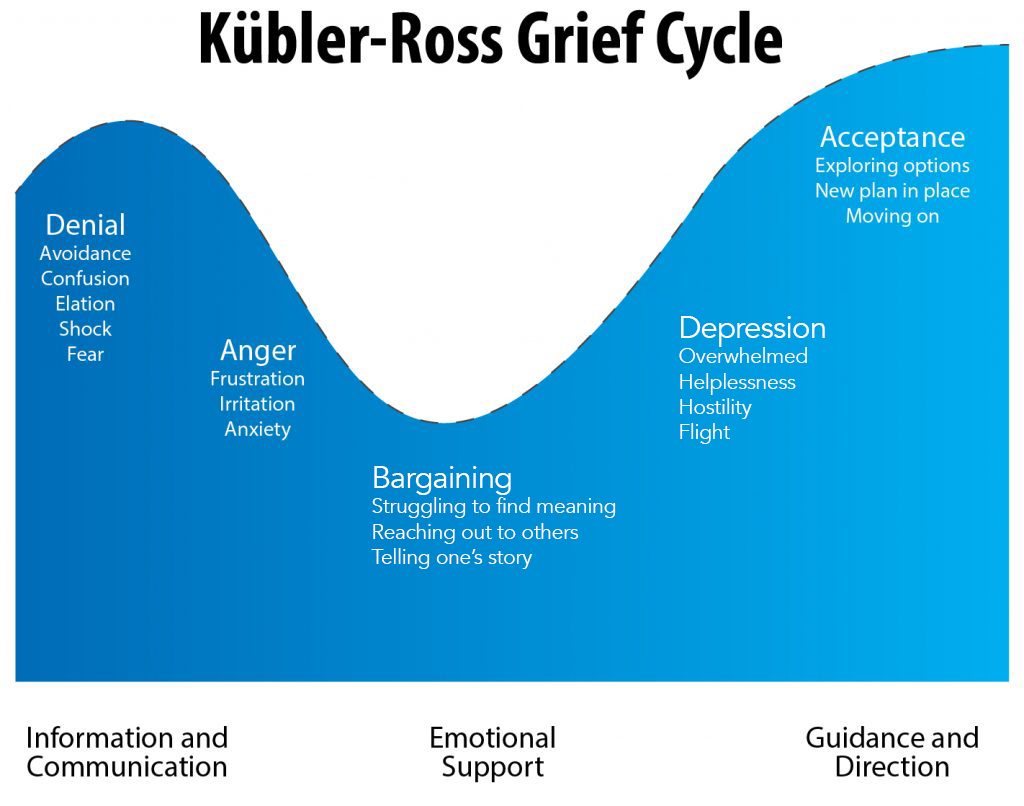
Anxiety is commonly compared to the "peaceful" stage of sorrow, as it's not as energetic as the temper and negotiating phases. This can bring about intense sensations of unhappiness, despair, and sadness. Signs of depression can materialize themselves in different methods. For example, we might feel unclear, hefty, exhausted, overwhelmed or distracted.
IFS Therapy: Understanding Your Sub-Personalities
Just like the various other phases of grief, anxiety is experienced in different ways. Instead, it's a natural and proper response to sorrow.
Rather, For example, if we're grieving the fatality of an enjoyed one, we could be able to reveal our gratitude for all the remarkable times we spent with them. Or if we're going with a separation, we might state something like, "This truly was the very best point for me." In this phase, we could become much more comfortable reaching out to household and buddies, and we might also make new connections as time goes on.
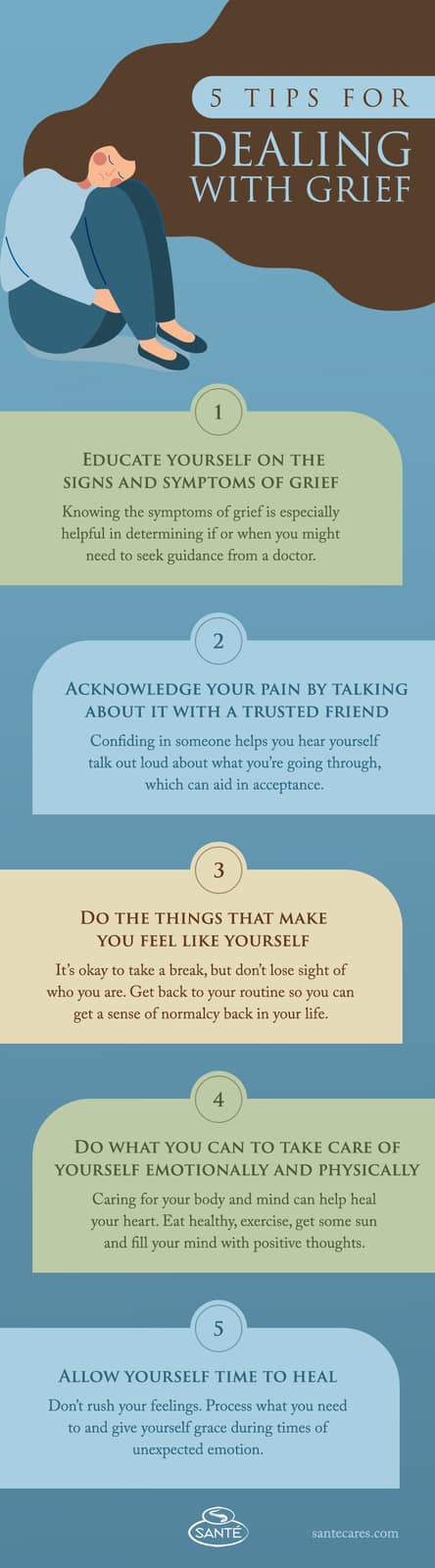
This does not indicate we'll never ever have one more hard time. Yet due to the fact that our feelings are more steady in this stage, we understand that we're mosting likely to be okay in the great days and the bad. Even though these five phases of despair can assist us comprehend the mourning process, Occasionally individuals struggle due to the fact that they really feel that their grieving process isn't "the norm," however pain is an extremely complicated experience that differs from one person to another.

Latest Posts
Making the Decision for Family Therapy
Choosing a Certified Dynamic Therapist for Your Concerns
Clinical Metrics for EMDR therapy